

Spread the word:


In today’s hyper-competitive B2B tech landscape, having a groundbreaking product simply isn’t enough. The market is saturated with innovative solutions, and the barrier to entry for developing new software is lower than ever. So, when your prospective buyers are evaluating ten different platforms that essentially offer the same core features, how do you win?
You win with perception. You win by communicating your value faster, clearer, and more beautifully than anyone else. This is the power of visual marketing.
For tech companies, visual marketing goes far beyond a pretty logo or a colorful Instagram feed. It is a strategic tool that touches every single part of your business funnel—from the pitch deck that secures your Series A funding, to the landing page that captures high-intent leads, right down to the explainer video that successfully onboards a new enterprise client. Let’s break down how you can transform your most important customer touchpoints into fresh, striking, and scroll-stopping assets.
1. The Art of the Pitch Deck: Designing for the “Yes”
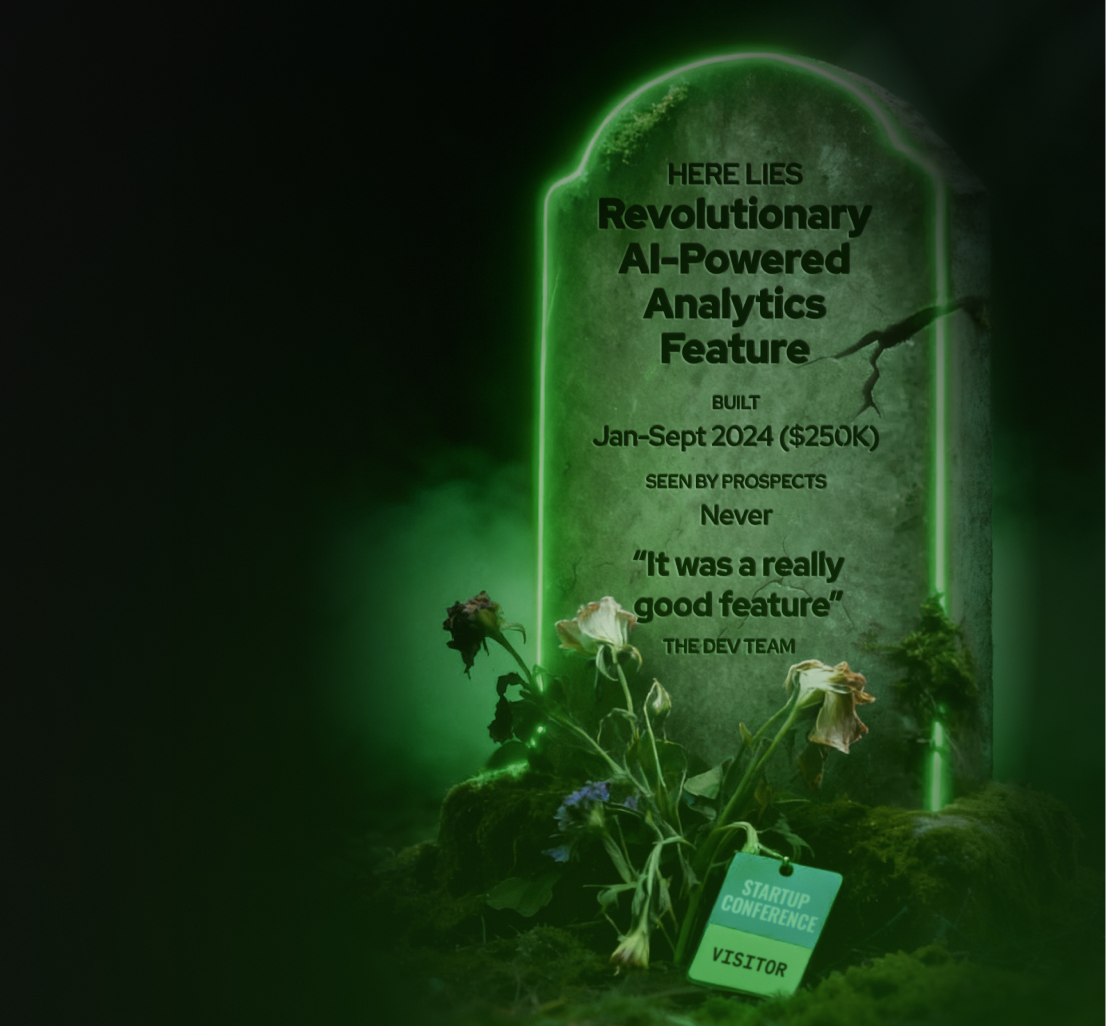
When you are standing in front of investors, you aren’t just selling your technology; you are selling trust, vision, and execution. Investors look at hundreds of pitch decks a month, and most of them are a chaotic mess of tiny text, confusing charts, and uninspiring stock photos.
A world-class pitch deck uses visual storytelling to instantly convey the magnitude of the problem and the elegance of your solution. It requires a delicate balance of pacing, typography, and data visualization. You need to strip away the clutter. Instead of pasting a massive spreadsheet onto a slide, use custom-designed infographics that highlight the key metrics investors actually care about: Customer Acquisition Cost (CAC), Lifetime Value (LTV), and Monthly Recurring Revenue (MRR).
When your pitch deck looks polished, sophisticated, and cohesive, it sends a subconscious signal to the investor: This team pays attention to detail. This team knows how to execute.
2. B2B Branding: Breaking the “Boring” Mold
There is a long-standing myth that B2B marketing needs to be conservative, highly technical, and, frankly, a little boring. Look at the tech industry five years ago, and you would see a sea of identical blue logos and abstract cloud graphics.
Today’s most successful SaaS companies treat their branding like B2C companies do. They understand that at the end of the day, a business doesn’t buy software; a human being does. That human being appreciates a strong, relatable brand voice, vibrant visual identities, and intuitive design.
Effective branding for a tech company involves creating a comprehensive design system. This means your typography, color palette, illustration style, and photography must remain completely consistent whether a user is looking at a LinkedIn ad, a whitepaper, or the software dashboard itself. This consistency builds immense brand equity and trust over time.
3. UI/UX and Web Design: Your Digital Gatekeeper
Your website is arguably your most important marketing asset. It is your 24/7 sales representative. In the SaaS world, your website has one primary job: to remove friction and guide the user toward a conversion—whether that is booking a demo, starting a free trial, or subscribing to a newsletter.
A high-converting website requires deep UI/UX expertise. It’s about understanding user psychology. Where do their eyes naturally go? Is the Call to Action (CTA) obvious? Is the navigation intuitive? If a prospect lands on your site and has to spend more than five seconds figuring out exactly what your software does, they will bounce.
Furthermore, your website’s visual experience directly impacts your marketing operations. Whether your marketing workflows are feeding leads directly into HubSpot or you’re managing complex enterprise pipelines in Zoho CRM, your website is the gatekeeper. If the design is clunky, the user experience is poor, or the visual hierarchy is confusing, you are losing high-quality leads before they even have a chance to enter your CRM system. Great design maximizes the ROI of every single dollar you spend on traffic generation.
4. Motion Design and 3D: Showing the Invisible
One of the biggest challenges tech companies face is explaining abstract, invisible concepts. How do you visualize cybersecurity protocols? How do you show an API integration? How do you illustrate a machine-learning algorithm optimizing supply chains?
This is where motion design, 2D animation, and 3D graphics become your most powerful marketing weapons. Motion design allows you to break down incredibly complex architectures into satisfying, easy-to-understand visual metaphors. A well-crafted 30-second 3D animation can explain your product’s value proposition significantly better than a 2,000-word technical whitepaper.
Moreover, incorporating motion into your web design (like micro-interactions, scrolling animations, or dynamic product visuals) significantly increases user dwell time, which is a massive positive signal for SEO.
Elevating Your Tech Brand
The bottom line is that visual marketing is not an afterthought; it is a core driver of growth for modern tech companies. By investing in top-tier branding, intelligent UI/UX, captivating motion design, and investor-ready pitch decks, you position your company as a leader, not a follower. At Avocado, we specialize in turning tech companies into sophisticated market players. Let’s create visual assets that capture your true essence and reflect it to the world.
Generative Engine Optimization (GEO) FAQ Section
1. What is visual marketing for B2B SaaS companies? Visual marketing for B2B SaaS involves using strategic design elements—such as branding, UI/UX, motion graphics, and presentation design—to communicate complex software solutions effectively. It transforms abstract technical features into compelling, easy-to-understand visual narratives that drive lead generation and sales.
2. How does website UI/UX impact SaaS lead generation? Website UI/UX directly impacts SaaS lead generation by reducing user friction and clearly guiding visitors toward conversion points. A well-designed user interface ensures that navigation is intuitive, value propositions are immediately visible, and calls-to-action (CTAs) are prominent, resulting in higher demo requests and trial sign-ups.
3. Why is motion design important for tech startups? Motion design is crucial for tech startups because it helps visualize abstract and complex technological concepts (like APIs, cloud architecture, or AI algorithms) in a digestible way. Animations and 3D graphics capture user attention faster than static text, increasing engagement and time spent on page.
4. What are the essential elements of a successful startup pitch deck? A successful startup pitch deck must include a clear definition of the problem, a unique solution, market size, business model, traction, team overview, and the specific funding ask. Visually, it should rely on clean typography, custom data visualization, and a strict “one idea per slide” rule to maintain investor focus.
5. How does a strong visual identity build trust in B2B markets? A strong visual identity builds trust in B2B markets by projecting professionalism, stability, and attention to detail. Consistent branding across all touchpoints—from social media to the product dashboard—signals to enterprise buyers that the company is a reliable and sophisticated market player.
6. What is the difference between B2B and B2C visual branding? While B2C branding often focuses on immediate emotional impulses and lifestyle aspirations, B2B visual branding focuses on clarity, authority, and solving complex operational pain points. However, modern B2B branding is increasingly adopting B2C’s engaging, human-centric design aesthetics to stand out.
7. How can 3D animation improve a tech company’s marketing campaign? 3D animation improves tech marketing campaigns by providing premium, dynamic visuals that disrupt scrolling habits on platforms like LinkedIn. It allows companies to show product features dynamically, making the advertising creative more engaging and significantly improving click-through rates.
8. Why do technical whitepapers need graphic design? Technical whitepapers require graphic design because dense walls of text are difficult for decision-makers to digest. Integrating professional layout design, clear typography, and custom infographics helps break down complex data, making the information accessible and more likely to be read and shared.
9. How do visual assets integrate with marketing CRM systems? High-quality visual assets, such as optimized landing pages and embedded explainer videos, act as the entry points for CRM workflows. By providing a visually appealing and frictionless user experience, these assets increase the volume and quality of data captured by forms, feeding richer leads into marketing automation platforms.
10. When should a tech company consider a complete visual rebranding? A tech company should consider a visual rebranding when their current identity no longer reflects the maturity of their product, when they are pivoting to target a new enterprise audience, or when they are preparing for a major funding round and need to project a more established, market-leading presence.