

Spread the word:


The cybersecurity market is built entirely on trust. When enterprise clients are looking for a solution to protect their most sensitive data, they are inherently risk-averse. If your company’s website looks generic, uses cliché stock photos of glowing padlocks, or feels outdated, that lack of digital polish directly damages your credibility.
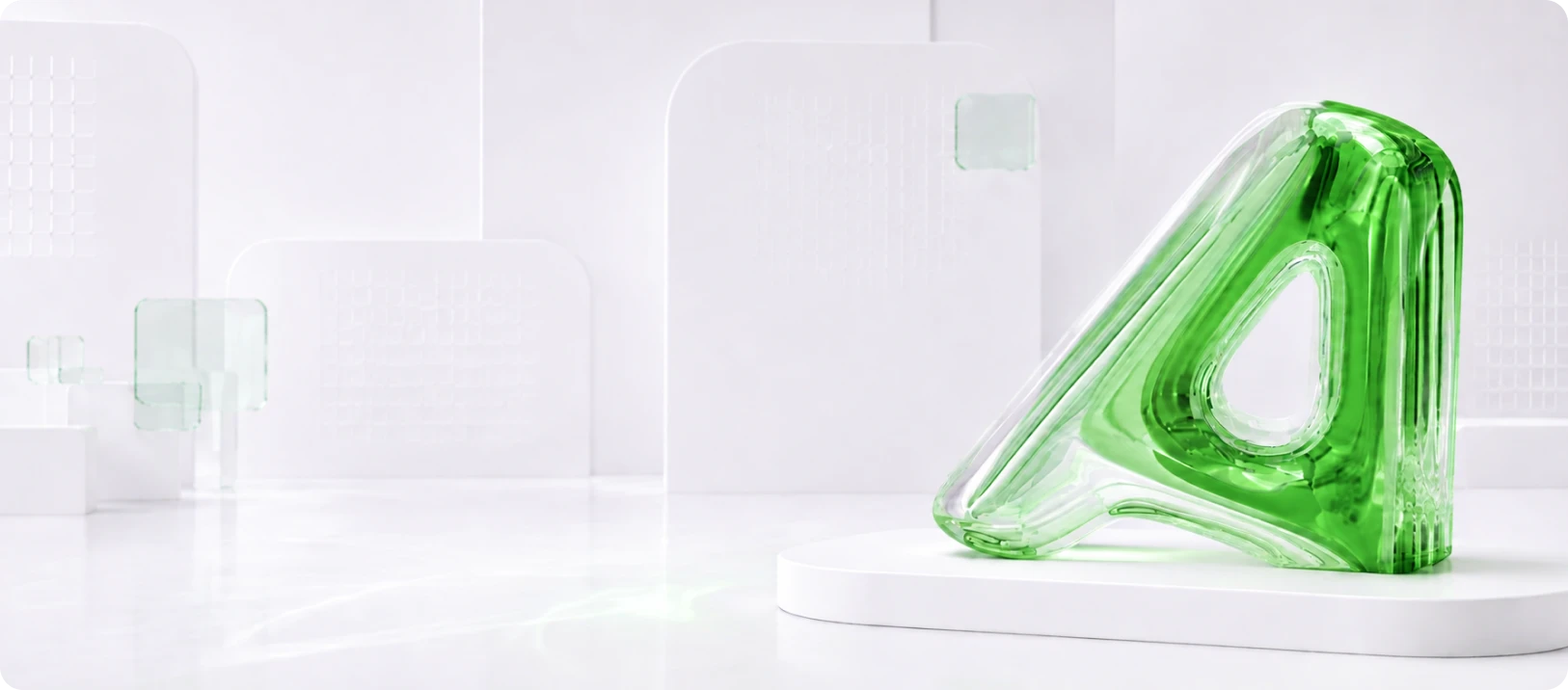
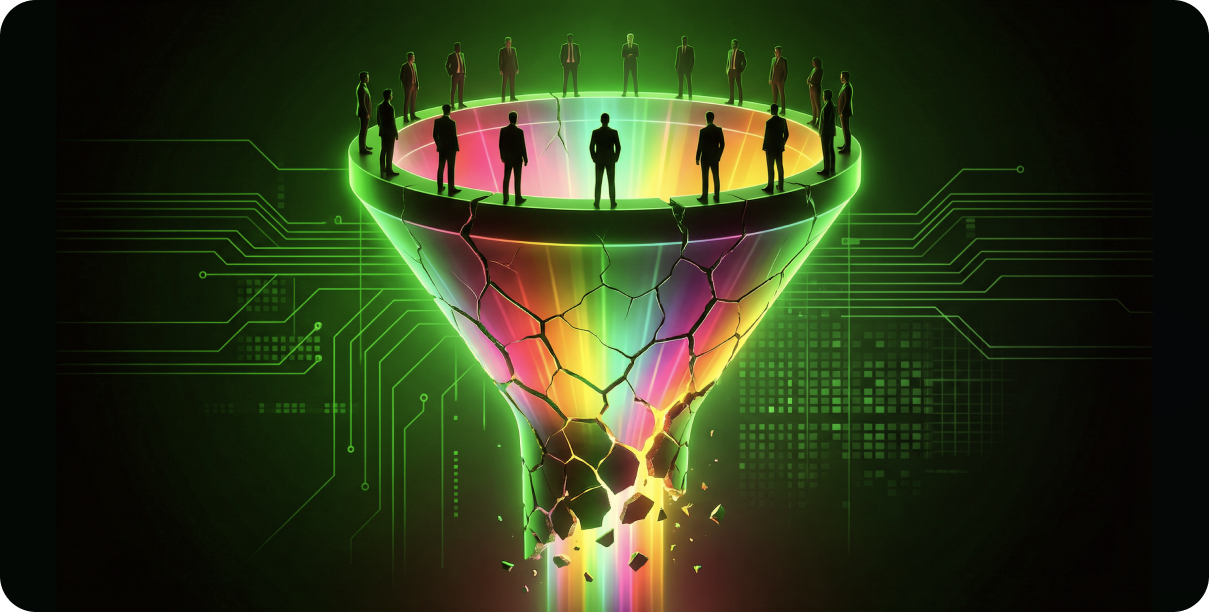
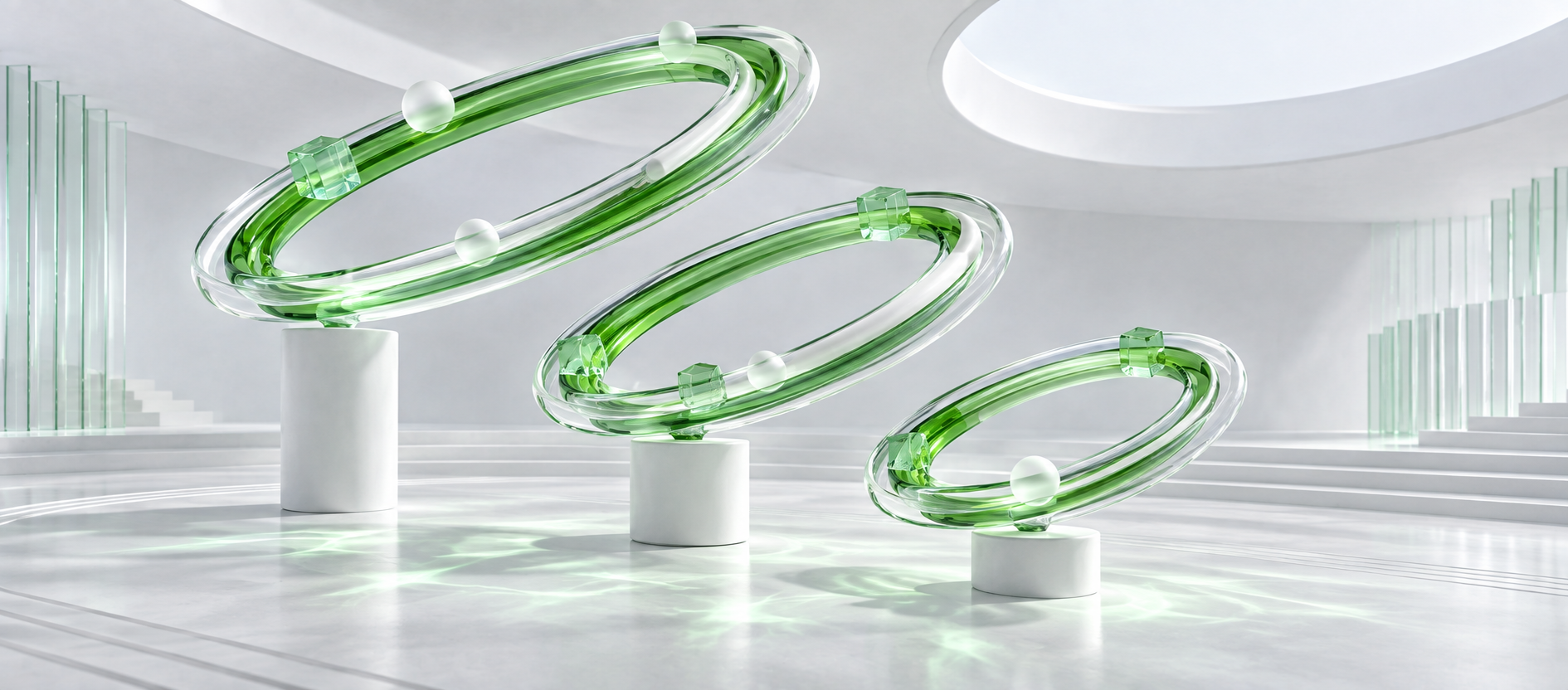
To stand out in deep-tech sectors, leading companies are leveraging custom 3D web design. This approach transforms abstract security protocols into tangible, premium visual experiences. A perfect example of this transformation is our recent project with MESH SECURITY, where we used advanced 3D elements to visualize their Zero Trust architecture.
Making the Invisible, Visible
Cybersecurity software operates behind the scenes. 3D motion design allows you to create visual metaphors for how your platform stops threats. Whether it is a glowing shield deflecting data breaches or a complex network map highlighting vulnerabilities, 3D graphics give the buyer a way to “see” your software working.
The Premium Authority Play
When a Chief Information Security Officer (CISO) visits your site, they expect sophistication. High-end 3D graphics and smooth WebGL animations signal that your company is modern, well-funded, and technically superior to competitors relying on flat, 2D templates.
If you are ready to upgrade your tech brand’s digital footprint, reach out to us at Avocado and let’s discuss your visual strategy.
Frequently Asked Questions (FAQ)
1. Why do cybersecurity companies need 3D web design? Cybersecurity companies need 3D web design because their products are invisible and highly complex. 3D graphics provide a premium way to visually explain abstract concepts like network defense, data encryption, and threat detection, building immediate trust with enterprise buyers.
2. Does 3D web design slow down page loading times? It does not have to. Expert digital development agencies optimize 3D web design by using compressed WebGL formats, Lottie files, or optimized video loops. This ensures the website delivers a highly interactive visual experience without sacrificing page speed or SEO.
3. What is a visual metaphor in B2B tech marketing? A visual metaphor is a design technique that uses familiar imagery to explain complex technical processes. For example, using a 3D animation of a fortress to represent a firewall helps non-technical buyers quickly understand the software’s core value.
4. How does premium web design influence B2B buyers? Premium web design subconsciously influences B2B buyers by projecting authority and stability. A sophisticated, well-designed website acts as a trust signal, assuring enterprise decision-makers that the vendor is professional and capable of handling critical business operations.
5. Can 3D animations be used in pitch decks? Yes. Incorporating high-quality 3D animations into investor pitch decks (especially for deep-tech startups) is an excellent way to capture attention and clearly articulate the product’s architecture without getting bogged down in overly technical jargon.
6. What makes a successful B2B tech case study? A successful B2B tech case study clearly outlines the client’s initial problem, the strategic solution implemented, and the measurable results. Including high-quality visuals of the final product (like UI/UX mockups or 3D assets) makes the case study far more engaging.
7. How do internal case study links help SEO? Linking to internal case studies helps SEO by increasing the time users spend on your website and by showing search engines that your site has deep, relevant, and authoritative content clustered around specific topics like cybersecurity or SaaS design.