

Spread the word:


Your SaaS website is never truly “finished.” The tech landscape moves fast, user expectations shift constantly, and what looked modern and converted well two years ago might be costing you leads today.
Many B2B companies hesitate to redesign their websites because they view it as a massive, exhausting project. But sticking with an underperforming site is far more expensive than investing in a new one. Here are the clear signals that your tech company desperately needs a website redesign.
1. High Traffic, Low Demo Bookings
If your marketing team is successfully driving thousands of visitors to your site through SEO and paid ads, but your “Book a Demo” calendar is empty, you have a UI/UX problem. Your site is either failing to clearly communicate your value, or the user journey is too complicated.
2. Your Product Has Outgrown Your Messaging
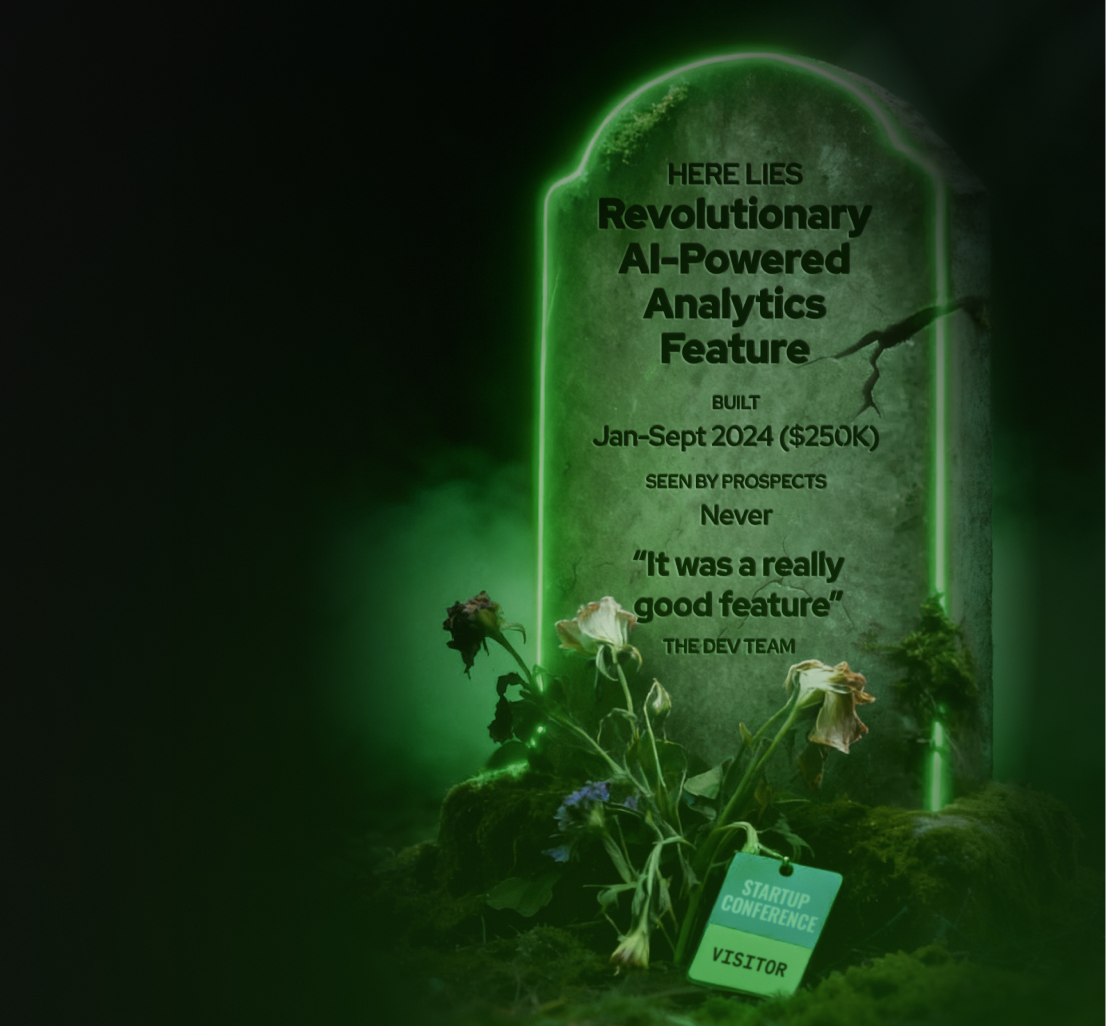
Startups pivot. Features evolve. If your software now serves enterprise clients but your website still looks and sounds like a scrappy, early-stage tool, you are creating cognitive dissonance for your buyers. Your digital presence must accurately reflect your current capabilities and target audience.
3. Mobile Performance is an Afterthought
Yes, most B2B purchases happen on a desktop. But the initial research? That happens on mobile devices during a commute or while scrolling through LinkedIn. If your mobile site is clunky, slow, or hard to read, potential buyers won’t wait until they get to their laptops—they will simply go to a competitor.
Time for a Facelift?
Don’t let a tired website sabotage your great product. At Avocado, we specialize in high-converting UI/UX design for tech companies that want to dominate their market.
Frequently Asked Questions (FAQ)
1. When should a SaaS company redesign its website? A SaaS company should redesign its website every 2 to 3 years, or sooner if there is a major shift in product strategy, target audience, or a noticeable drop in conversion rates.
2. What is the main goal of a B2B tech website? The main goal of a B2B tech website is lead generation. It must clearly articulate the product’s value proposition, build trust, and seamlessly guide the user toward a specific conversion point, such as booking a demo or starting a free trial.
3. How does UI/UX design impact SaaS conversion rates? Good UI/UX design reduces cognitive load and removes friction from the user journey. When a website is intuitive and easy to navigate, users are more likely to find the information they need and complete a call-to-action (CTA).
4. What is the difference between a website refresh and a full redesign? A website refresh involves updating visual elements like colors, typography, and images without changing the site’s core structure. A full redesign involves rebuilding the site’s architecture, user flows, and underlying technology to fundamentally improve performance.
5. Why is page loading speed important for SaaS websites? Page loading speed is critical because it directly impacts both user experience and SEO. Search engines penalize slow websites, and users will abandon a page if it takes more than a few seconds to load, leading to lost revenue.
6. Should SaaS websites include pricing pages? Yes, B2B SaaS websites should generally include transparent pricing pages. Buyers prefer to know if a solution fits their budget early in the research phase, and clear pricing tiers help qualify leads before they reach your sales team.
7. How can I test if my website needs a redesign? You can test your website’s effectiveness by analyzing user behavior metrics in your analytics platform. Look for high bounce rates, low time-on-page, and dropping conversion rates on your main landing pages.