

Spread the word:


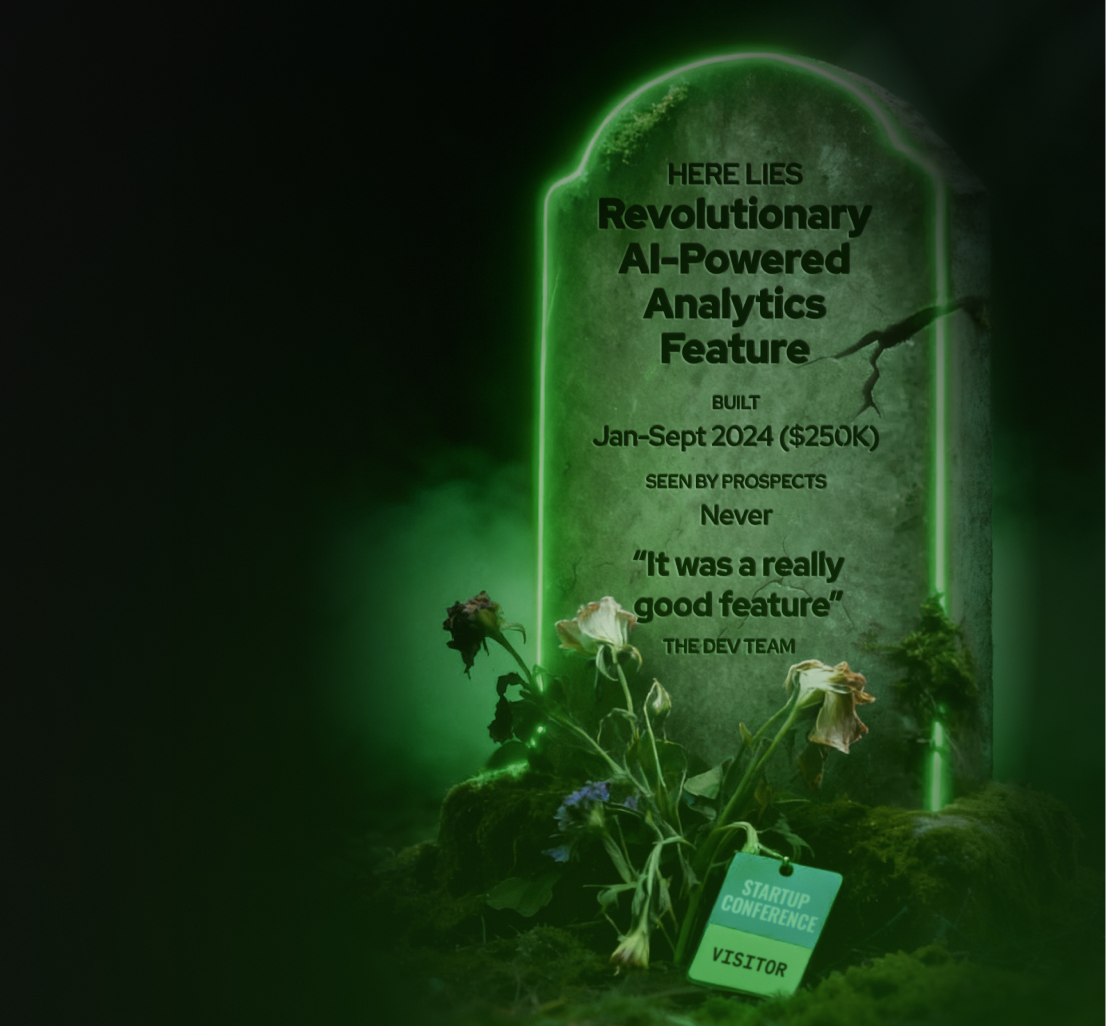
Writing code is expensive. Paying a team of senior frontend developers to build a complex SaaS dashboard takes weeks and costs tens of thousands of dollars. So, what happens if they finish building it, and the users hate it? What if the workflow is confusing, and the navigation is broken?
You have to tear the code down and start over. This is the most expensive mistake a tech startup can make. To prevent this massive waste of resources, elite digital agencies insist on comprehensive, interactive prototyping before a single line of code is ever written.
Click Before You Code
An interactive prototype is a high-fidelity, clickable model of your software built in a design tool like Figma. It looks and behaves exactly like the final product. Users can click through menus, experience the Data-Driven UI/UX SaaS Dashboards, and navigate complex workflows.
Validating the User Journey
Prototyping allows you to conduct real-world user testing. If a user needs four clicks to find the “Export Report” button during the prototype test, the UX designer can fix the layout in five minutes. If that same flaw is discovered after the platform is coded, fixing it could take a developer three days. Prototyping mitigates risk, perfectly aligning the creative vision with technical execution.
Frequently Asked Questions (FAQ)
1. What is an interactive prototype in UI/UX design? An interactive prototype is a high-fidelity, clickable visual model of a website or application. It simulates the final user experience—including page transitions, hover states, and navigation flows—without requiring any actual frontend or backend coding.
2. Why is prototyping important before SaaS development? Prototyping is important because it allows product teams to test and validate the user experience (UX) cheaply and quickly. Identifying confusing layouts or broken user journeys in a prototype prevents expensive, time-consuming coding revisions later in the development cycle.
3. What is the difference between a wireframe and a prototype? A wireframe is a static, low-fidelity, black-and-white sketch that outlines the basic structure and layout of a page. A prototype is a high-fidelity, interactive model that includes final brand colors, typography, and clickable elements to simulate the real product.
4. How does prototyping save money for tech startups? Prototyping saves money by eliminating engineering waste. Modifying a digital design file in Figma takes minutes, whereas rewriting the underlying React or HTML/CSS code to fix a poor user interface can take a development team several days of expensive labor.
5. Can investors interact with a software prototype? Absolutely. Linking to a high-fidelity, interactive prototype within a Startup Pitch Deck is incredibly effective. It proves to investors that the founders have a clear, executable vision for the product’s UX without risking live software bugs during a pitch.
6. What tools are best for building SaaS prototypes? Figma is currently the industry-standard tool for building SaaS prototypes, favored for its real-time collaboration features and robust component libraries. Other popular professional prototyping tools include Adobe XD, Sketch, and InVision.
7. Should developers be involved in the prototyping phase? Yes. While designers build the prototype, frontend developers should review it to ensure that the proposed UI animations and complex data layouts are technically feasible to code within the project’s timeline and budget constraints.